
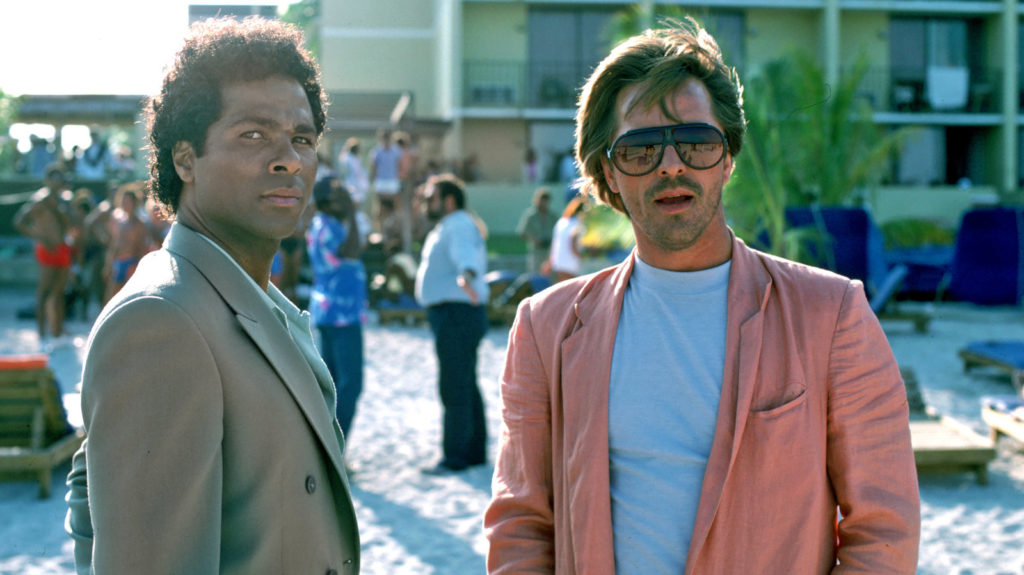
As spring finally comes calling, my viewing habits have shifted to an eclectic mix of new television, returning television, new films, “old” films, and “old” television. To give you an idea what that means, I recently watched Road House (2024), only to follow it with Friday The 13th (1980) and Striking Distance. Road House 2024 was about as good as I expected, by which I mean lesser in every way to the original film but still somewhat entertaining. Friday The 13th and Striking Distance, however, pleasantly surprised me. I hadn’t seen either film. On the TV side, I recently started the brand-new DTF St. Louis (an offbeat black comedy starring Jason Bateman, Linda Cardellini, and David Harbour), and I’ve been watching Shrinking, now on its third season and strong as ever. Before those shows, I watched and finished season 1 of Renegade. Now, on that tip, I’ve begun my re-watch of Miami Vice. That brings us here, a new aesthetic appreciation. I knew I would get to this one eventually, just wasn’t sure when, but what better time than now?
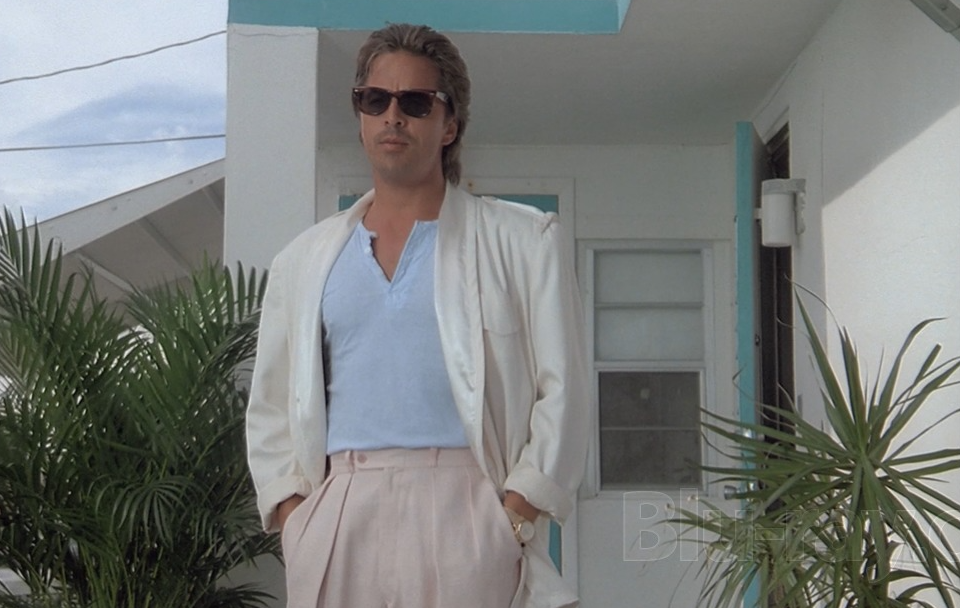
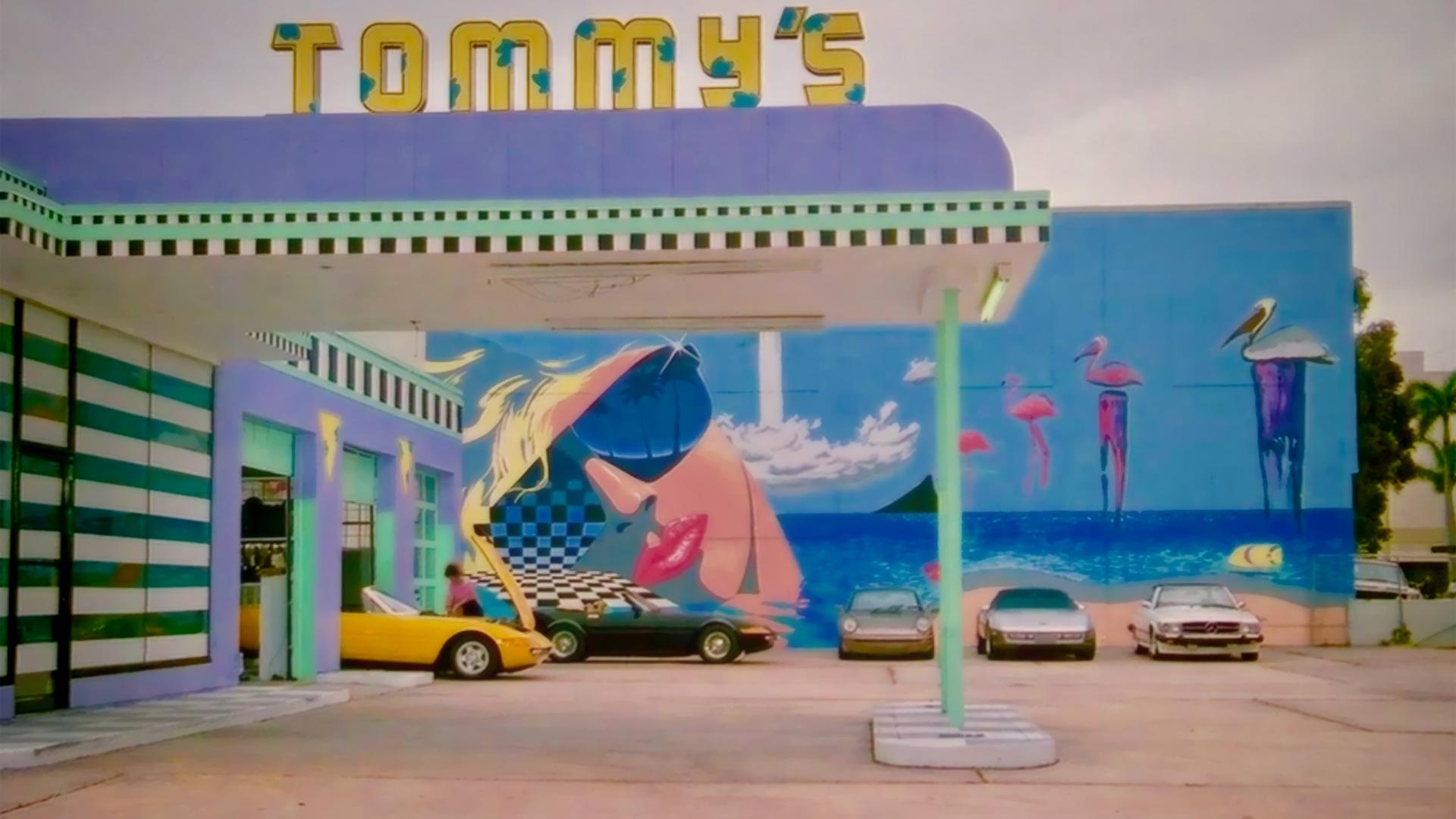
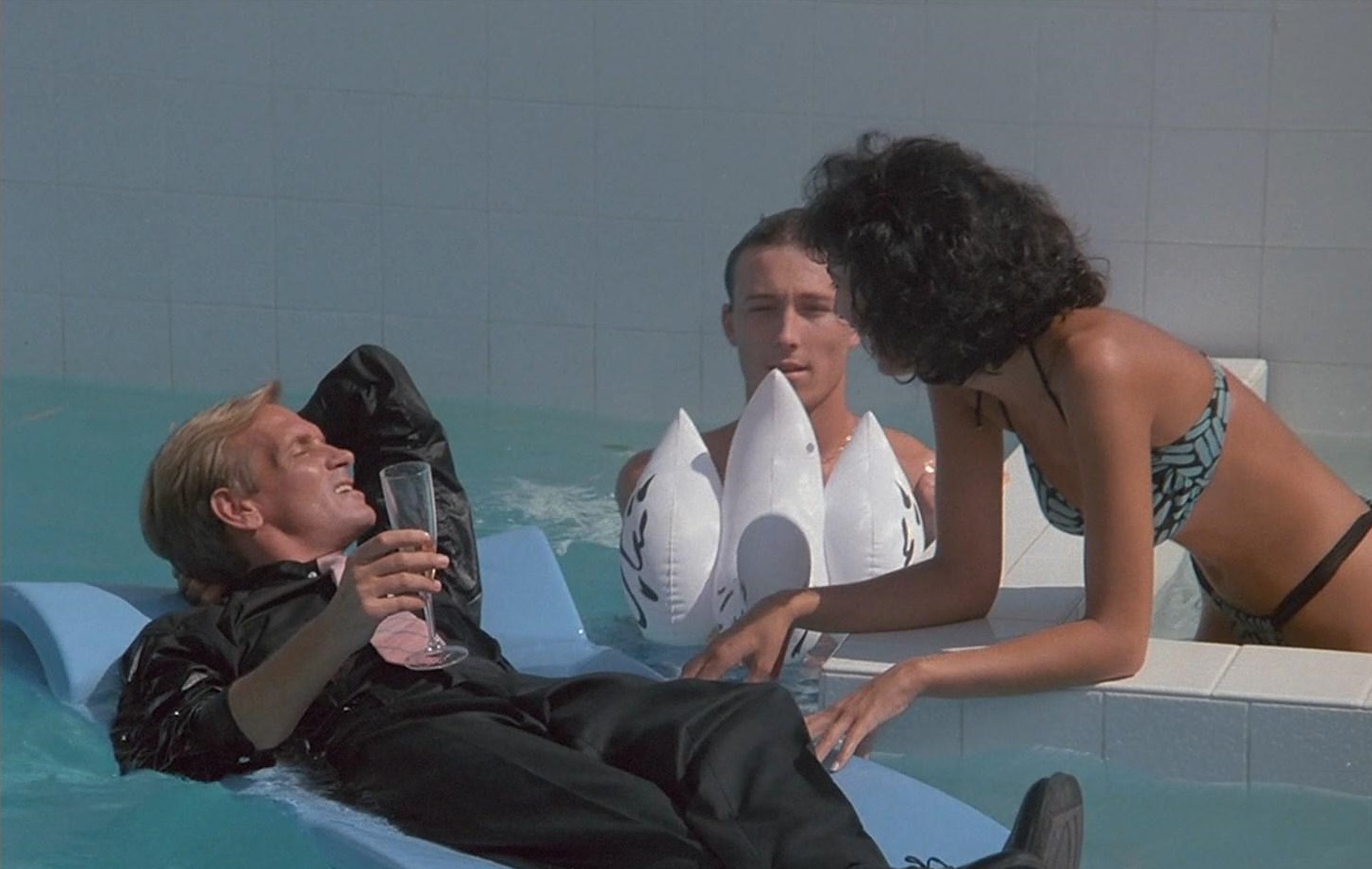
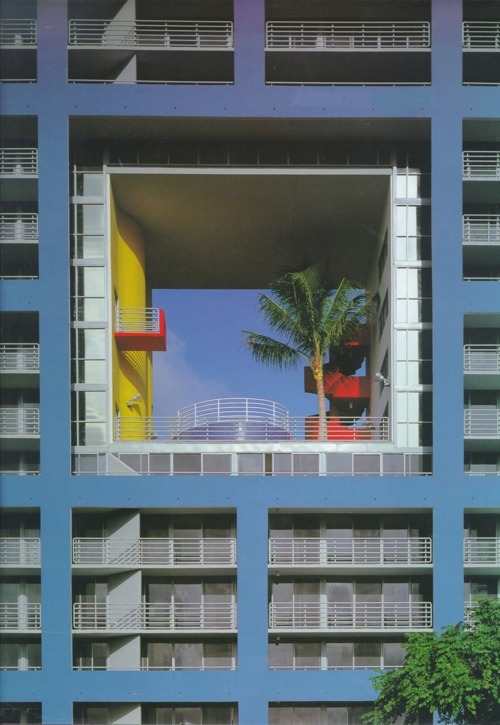
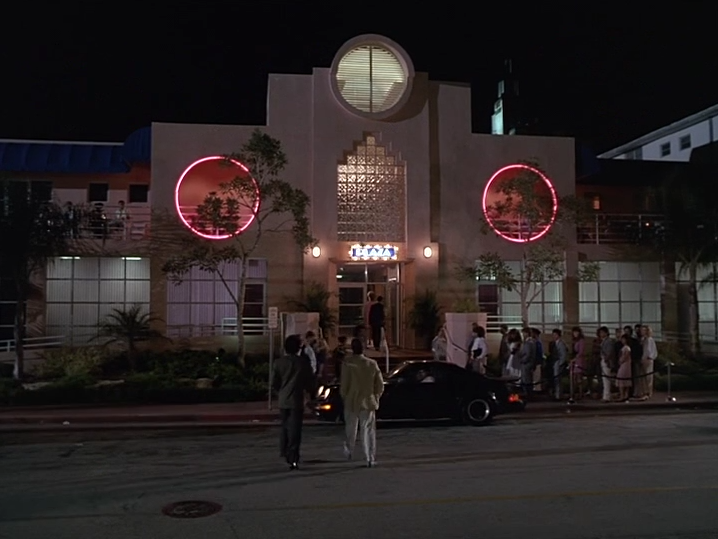
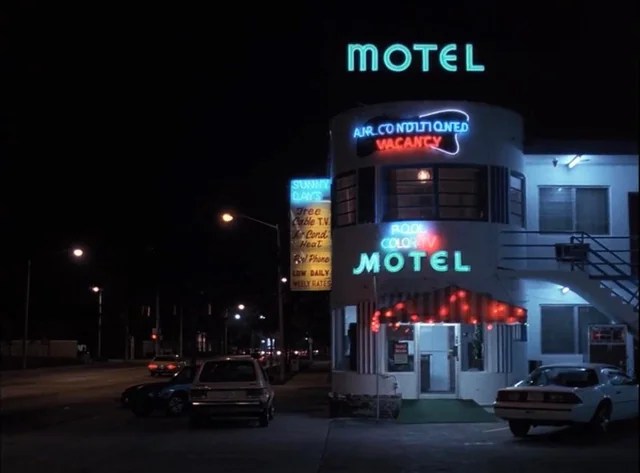
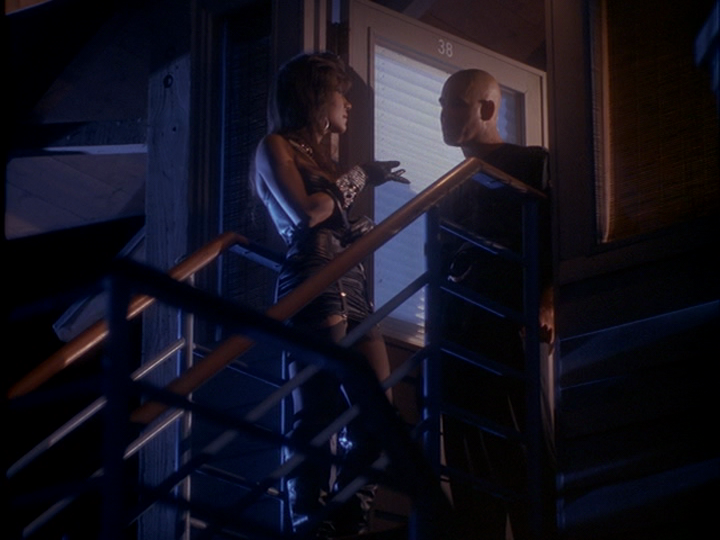
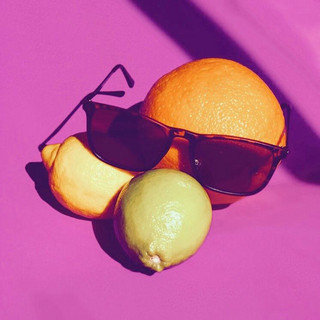
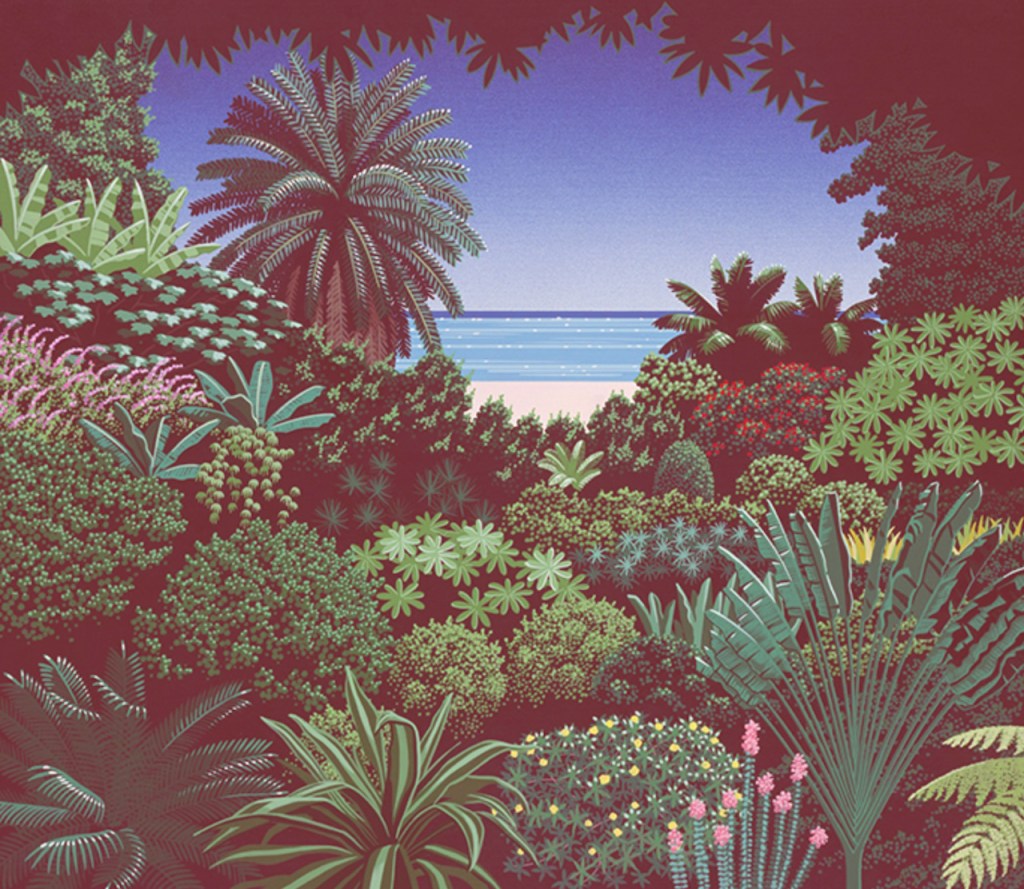
Pastels, soft focus, neon, and tropicalia. That’s the simplest explanation for what’s happening on-screen here, from a visual standpoint. There’s more to it, though. The clothes, hair, and makeup. The cars. The architecture. It’s all distinctly 80’s (we’ll get to why that’s important). The aesthetic and imagery of the show is indebted not just to the creative decision making of the time, but also to Florida itself. Miami Vice was largely filmed on location in the Miami area. The art deco-tinged hotels, the neon signs, the glass block windows—that’s all quintessential Florida. The show used and sometimes renovated local properties for filming. Much of the atmosphere, the design, the grit, the neon, and the architecture, that was all just there. For that reason, Miami Vice is not just a reflection of 80’s flash and style, but a reflection of Florida at the time too. Who would’ve thought back then that Miami Vice could be a historically or culturally significant document? A lot of television and film is, we just don’t realize it in the moment. What a moment Miami Vice had, too.
Miami Vice ran five seasons (may not sound like much but that’s 111 episodes), it’s had video games, a comic book, a modern adaptation from executive producer Michael Mann, and there’s quite possibly a new film on the way too. Its enduring appeal and legacy is not hard to understand. What is interesting to think about is why it was such a cultural phenomenon when it was airing. Critics of the time seem to come to something of a consensus that Miami Vice was the first truly “modern” show of the 80’s. A lot of TV was trying to do something that had already been done, while Miami Vice was of the era; the show featured visuals, cars, fashion, and music that were all current. There was even an overlap where Miami Vice began to influence fashion and pop culture, rather than fashion and pop culture influencing Miami Vice. It birthed a visual aesthetic that, despite being “dated” now, still resonates with people. Many of the visual cues would go on to be associated with 80’s revivalism and Synthwave in the 2010’s, over 20 years after the show came to a close. It’s had a legacy as great as its own popularity when it was airing, something not many television shows can claim.
 FAINT WAVES
Leave a comment